Animals
Farming Camp animal care guides: feeding routines, housing, animal products and how livestock duties slot into your daily chores without eating your points window.
Introduction
Animals turn Evertree's daily chore list into a living routine, and the care loop around them is where the game's coziness and its contest pressure actually meet. Feeding happens on a rhythm you set, housing and pens determine how much ground daily care occupies, and the products animals return flow back into cooking challenges, missions, and the broader points economy. None of that lives outside your schedule: every visit to a pen competes with classes, field work, and minigames for the same daylight, which makes the animal system a time-management system wearing a softer coat. Done well, care quality shows up when the camp presents your work, because healthier and happier animals make the farm read as tended during evaluation moments, and that routine becomes the most dependable part of your entire day.
Daily Care Systems and Pen Routines
| Track | Focus | Cadence | Priority |
|---|---|---|---|
| Feeding Routine | Daily anchor | Non-negotiable | S |
| Housing & Pens | Care geometry | Set once | A |
| Products & Returns | Care output | Daily pickup | A |
| Chore Integration | Schedule fit | Weekly review | Active |
Care Workflow Tracks
Feeding Routine
The non-negotiable daily anchor that everything else on the farm schedules itself around.
Housing & Pens
Where animals live, and how pen placement decides what daily care costs you every morning.
Products & Returns
What animals give back, and how those returns feed cooking, missions, and your wider economy.
Chore Integration
Fitting animal care into the same schedule that already holds classes, field work, and minigames.
Core Mechanics
Animal care runs on four linked steps. Feeding is the anchor, a fixed rhythm you can complete on autopilot once it is established, but which penalizes neglect across consecutive days rather than instantly. Housing sets the geometry of care, because pens placed for short routes let feeding, cleaning, and collection happen inside the same chore window instead of spreading across the whole morning. Products are the return layer, and what animals yield flows into cooking minigames, missions, and income that funds tools and seeds. Chore integration is the skill component, deciding where animal tasks sit relative to field work and classes in your daily schedule. Across all four, condition tracks care quality over time, and the camp's evaluation moments read that condition as evidence of how seriously you took the farm.
Advantages
The strength of the animal loop is its reliability. Crops can be mistimed and missions can surprise you, but feeding and tending happen on a cadence you control, which makes animals the stabilizing floor beneath an otherwise variable day. That floor also teaches scheduling, because once the routine is second nature you can slot field work and classes around it instead of negotiating with everything at once. Products deepen the loop by feeding cooking challenges and missions, so care work returns value in more than one currency. There is a social payoff too, since a pen that looks clearly tended supports the impression the camp forms during evaluation moments. And for players who find pure optimization cold, caring for living things gives the contest a reason to keep showing up.
Challenges
The pitfalls here are commitment pitfalls. Animals require presence on a schedule that does not care about your mission streak, and neglected stretches cost condition gradually, which means the damage often becomes visible only after you have already lost ground. Pen layout decided early is expensive to change as well, because badly placed housing spreads feeding, cleaning, and collection across the day and every future morning pays that tax again. Over-committing early, taking on too many animals before the chore routine is automatic, is the fastest way to drown, since care hours start cannibalizing class time and field work that feed the ranking directly. Products also mislead by feeling like free income until you count the daily hours standing behind them. And in a contest judged partly on presentation, uneven care shows exactly when the camp is watching.
Frequently Asked Questions
How many animals should I start with?+
Do animals actually affect my contest standing?+
Where should pens go relative to the rest of the farm?+
Quick Tips
Build the feeding route before you build anything else on the property. Walk it once at the pace you intend to play: storage to pen, pen to deposit, deposit back to the field, and note every second you spend backtracking along the way. Then move housing until that loop is short enough to finish with time to spare. Animals become effortless when care lives inside one window, and they become a second job the moment that loop sprawls across the whole farm.
Protect care days the way you protect class days. It is tempting to skip feeding during a mission binge because condition loss always feels gradual and the penalty never announces itself with a warning. Instead, decide in advance which daily obligations are genuinely non-negotiable, make feeding one of them, and let optional work slide when the calendar squeezes hard. Two minutes of protected routine preserves weeks of accumulated condition, and condition is exactly what the evaluation reads when it decides whether your farm looks tended.
Read products as scheduled labor rather than free money. Every item an animal returns is bought with daily attention: the feeding, the cleaning, and the collection trip folded into your morning route. Before you expand the herd, count whether those hours still fit after classes and field work, or whether they will start eating into the point-generating time your ranking depends on. If the pen still finishes inside your chore window with room to spare, expansion is earned, and if it does not yet, wait.
Featured
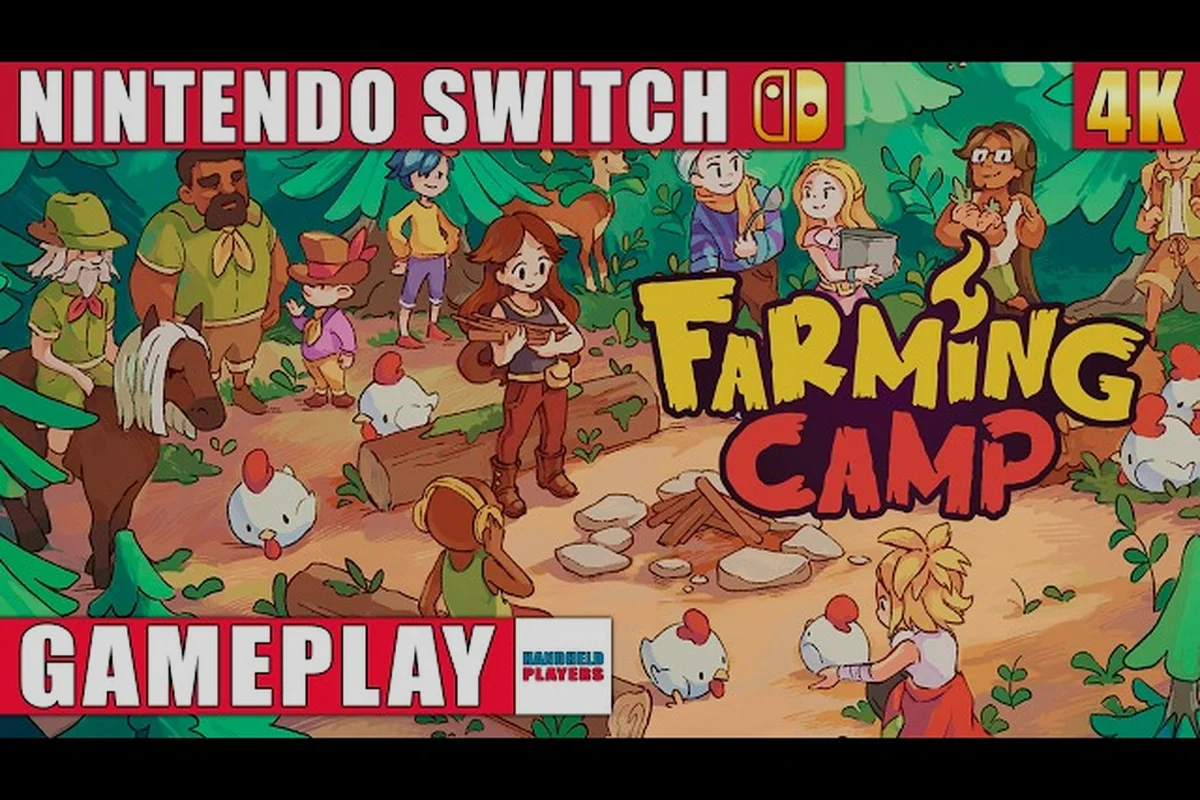
Farming Camp Animal Guide: Care, Pens & Livestock Basics
Get started with the Farming Camp animal guide — learn pen setup, daily feeding, and the care routines that keep every animal happy and productive.
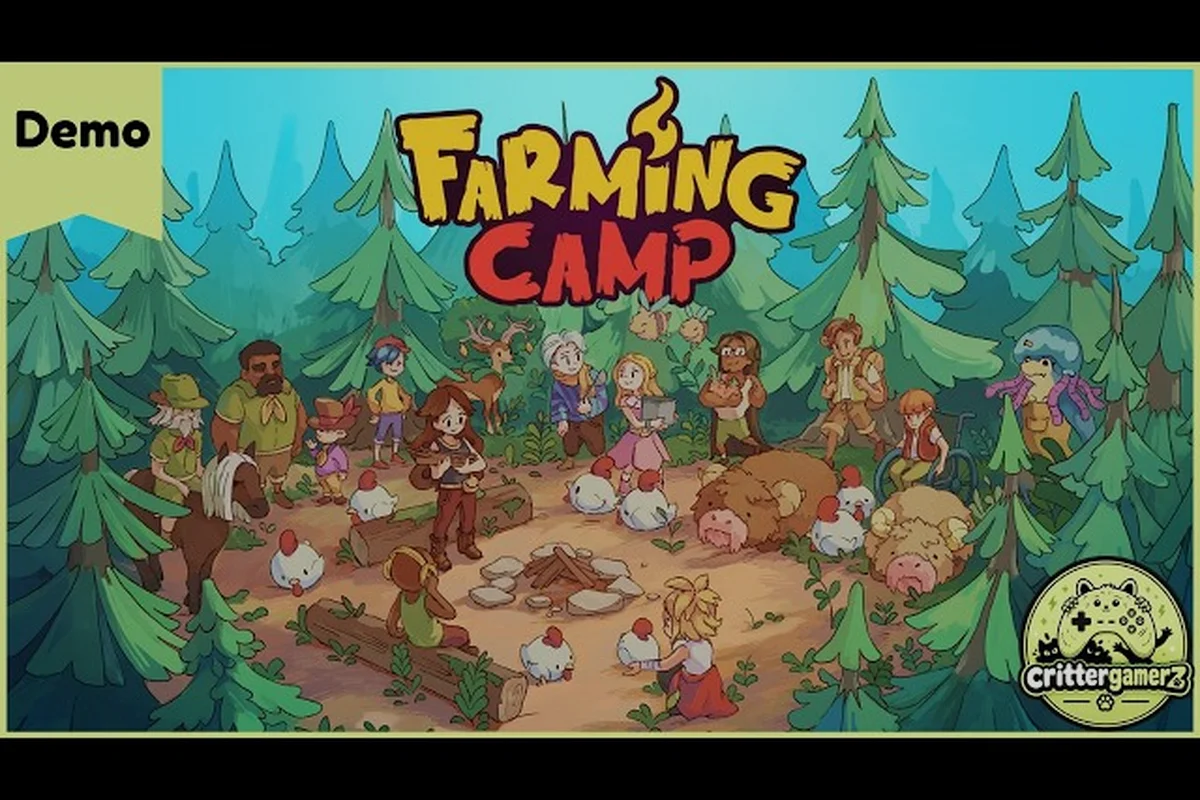
Farming Camp Animal Care Schedule: Feeding, Grooming & Welfare
Stay on top of the Farming Camp animal care schedule with feeding windows, grooming steps, and welfare checks that maximize animal points every day.

Farming Camp Animal Enclosure: Pens, Companions & Side Tasks
Build the ideal Farming Camp animal enclosure with pen layouts, pet companion unlocks, and side tasks that turn livestock chores into steady income.
All Articles
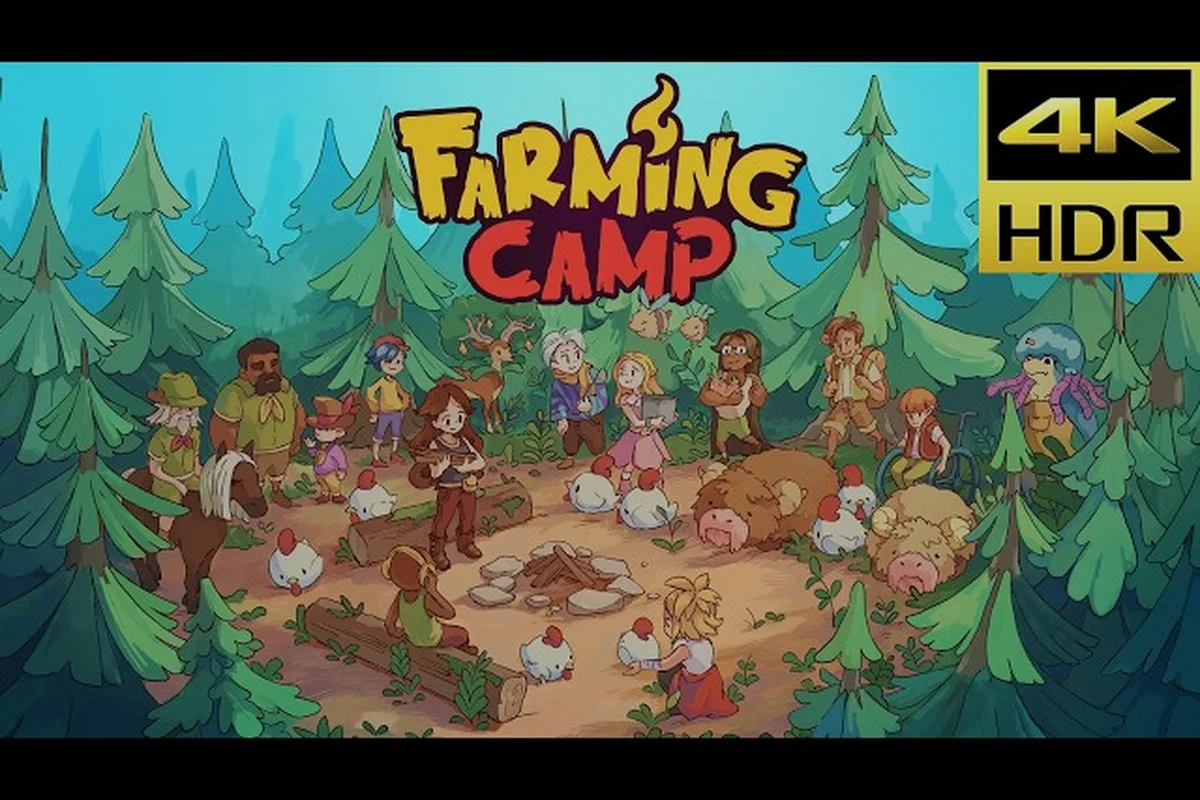
Farming Camp Milk Guide: Best Animals & Product Locations
Pour more profit with the Farming Camp milk guide — find the best animals, product spots, and top picks ranked by output and happiness score.

Farming Camp Coop Guide: Chores, Eggs & Daily Animal Tasks
Run a tidy Farm coop with the Farming Camp coop guide — daily chores, egg collection routines, and the breeding tips that keep your flock thriving.

Farming Camp Animal Care Mistakes to Avoid on Day One
Sidestep the Farming Camp animal care mistakes that drain happiness and points — wrong feed, skipped grooming, and welfare checks new farmers forget at Evertree.

Farming Camp Cow Guide: Happiness, Products & Barn Setup
Raise healthy cattle with the Farming Camp cow guide — unlock steps, barn setup, and how to maximize happiness for steady milk and product output.