
Crops
Farming Camp crop guides covering planting priorities, harvest timing around the chore schedule, seed sources and which fields earn the most reliable points.
Introduction
Crops are the mechanical backbone of Evertree Farming Camp, the one system that touches everything else you do. Planting and harvest cycles have to fit around camp chores, mission windows, class sessions, and minigames, which makes the field as much a scheduling puzzle as a farming one. Seeds arrive through progression and camp rewards rather than a published shop list, field layouts reward thought about walking routes and watering access, and the order in which planting options unlock naturally staggers your priorities across the season. Early days favor fast-cycle vegetables that return quickly while you learn the rhythm, the middle stretch leans on dependable staples that fund steady income, and later growth options become worth the waiting. Watering discipline and incremental tool improvements quietly decide how much of each day your field costs you.
Field Planning and Seasonal Priorities
| Archetype | Phase | Main Strength | Priority |
|---|---|---|---|
| Fast-Cycle Vegetables | Opening days | Quick returns | S |
| Field Staples | Mid-season | Steady yield | A |
| Long-Growth Staples | Back half | Delayed payoff | B |
| Situational Plantings | Squeeze weeks | Flexible fit | C |
Crop Strategy Archetypes
Fast-Cycle Vegetables
Quick-turn plantings that teach rhythm and return harvests before your schedule gets complicated.
Field Staples
Dependable mid-season plantings that anchor income while other systems compete for your attention.
Long-Growth Staples
Patient plantings that tie up space for ages but decide your late-season resource position.
Situational Plantings
Conditional choices you deploy for specific calendar needs rather than as a standing field fixture.
Core Mechanics
A crop cycle runs on three constraints: time, timing, and attention. Time is how long a planting takes to mature, and the game staggers which archetypes you can access so early choices stay simple and forgiving. Timing is where that cycle sits relative to your camp calendar, since a fast-cycle vegetable planted before a heavy mission day returns before you leave, while a long-growth staple started at the wrong moment matures while you are locked into evaluation prep. Attention is the daily cost, because watering, tending, and tool wear consume the same hours that chores and classes do. Field layout compounds all three, since rows placed for short walking routes shave seconds off every single visit. Seeds are acquired through progression, so unlock order effectively writes your season strategy for you.
Advantages
The crop system works because it scales with the player instead of demanding mastery up front. A newcomer can run one small plot of fast-cycle vegetables, learn the watering rhythm, and still contribute meaningfully to the points loop, while a confident player redesigns the field around long-growth staples that pay off in the back half of the contest. That flexibility keeps farming from crowding out classes, missions, and minigames, because you can downsize for a busy week and expand again when the calendar opens up. Progression-driven seed access also prevents choice paralysis, since the game hands you new options at the moment you are genuinely ready to use them. Incremental tool upgrades reward the habit directly, trimming seconds from every subsequent season day without disturbing the cozy feel of the whole experience.
Challenges
The risks in this system are all scheduling risks. Fast-cycle plantings feel productive and can quietly eat entire afternoons in harvest-and-replant loops that were never worth the point return, so overplanting early is the classic beginner trap. Long-growth staples fail in the opposite direction: started too late, they mature after the final evaluation has already decided your standing, so their value depends entirely on reading the calendar ahead of time. Watering is the silent killer too, because missing a stretch during a mission binge makes the loss land all at once, right when your hours are already committed elsewhere. Tool neglect compounds that cost, since a worn tool makes every future visit more expensive. And field layouts bolted down early become painful to redesign in mid-season.
Frequently Asked Questions
How should I divide field space in the opening days?+
When should I switch to long-growth plantings?+
Do tool upgrades matter more than expanding the field?+
Quick Tips
Anchor your planting schedule around known calendar pressure rather than around whenever you happen to hold seeds. Before a heavy mission day or an evening of minigames, sow only what will mature before you are free again, and save ambitious plantings for weeks when the schedule is entirely yours. This single habit prevents the most common crop failure, which is never pests or watering, but a field of half-timed rows planted against a week you were never going to control.
Design field rows for walking, not for looks. Short routes between the water source, the plot edge, and your storage point shave seconds off every single visit, and those seconds compound across a whole season of daily tending. Leave a clear lane down the middle instead of packing plants shoulder to shoulder against your path. When you eventually upgrade tools, an efficient layout makes that improvement feel twice as large, because the walk between tasks no longer cancels the time you just saved.
Match archetype to season phase, and resist copying your early game into the late game. Fast-cycle vegetables are training wheels that teach rhythm and keep early points flowing, staples stabilize the middle stretch, and long-growth plantings are a bet on the back half that only pays when the calendar supports it. Revisit the whole mix whenever a new seed unlocks, because progression is the game telling you the season has moved on and your field should move along with it.
Featured
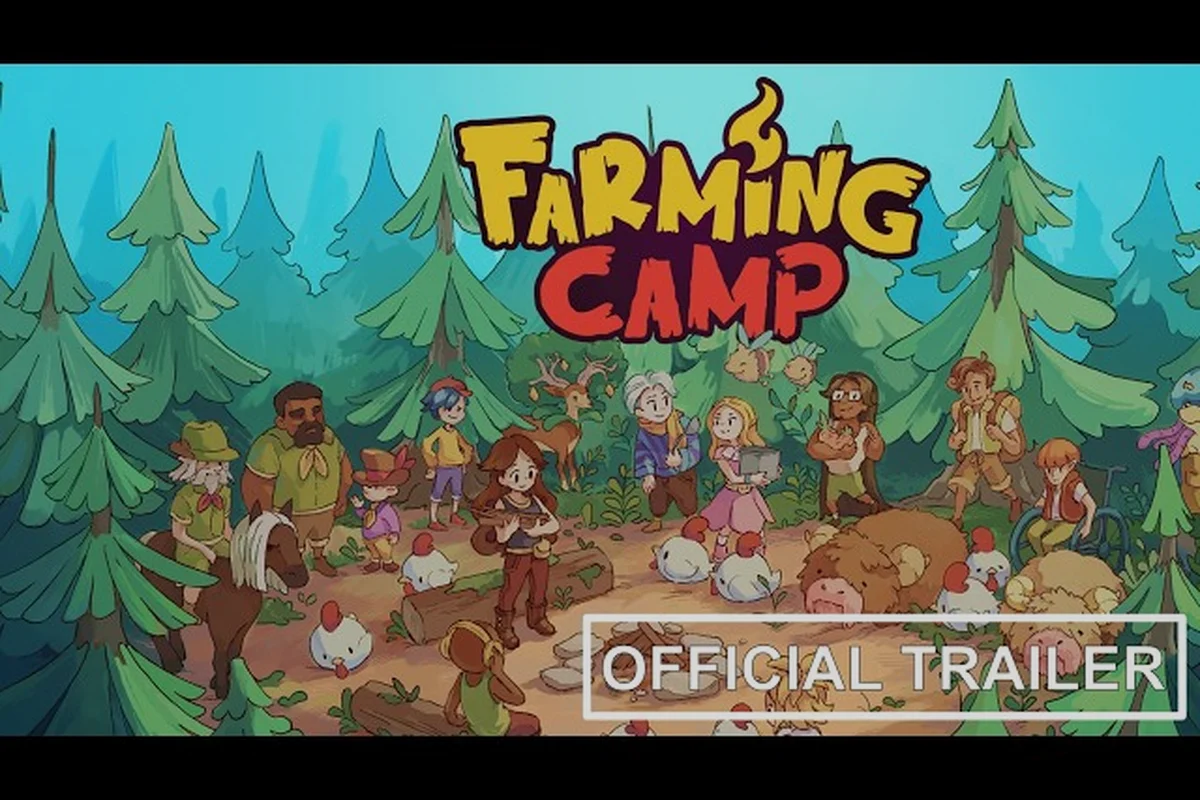
Farming Camp Crop Guide: Best Seeds, Growth & Harvests
Plan your fields with the Farming Camp crop guide — best seeds to plant, growth times, and harvest tricks for a steady income at Evertree Camp.
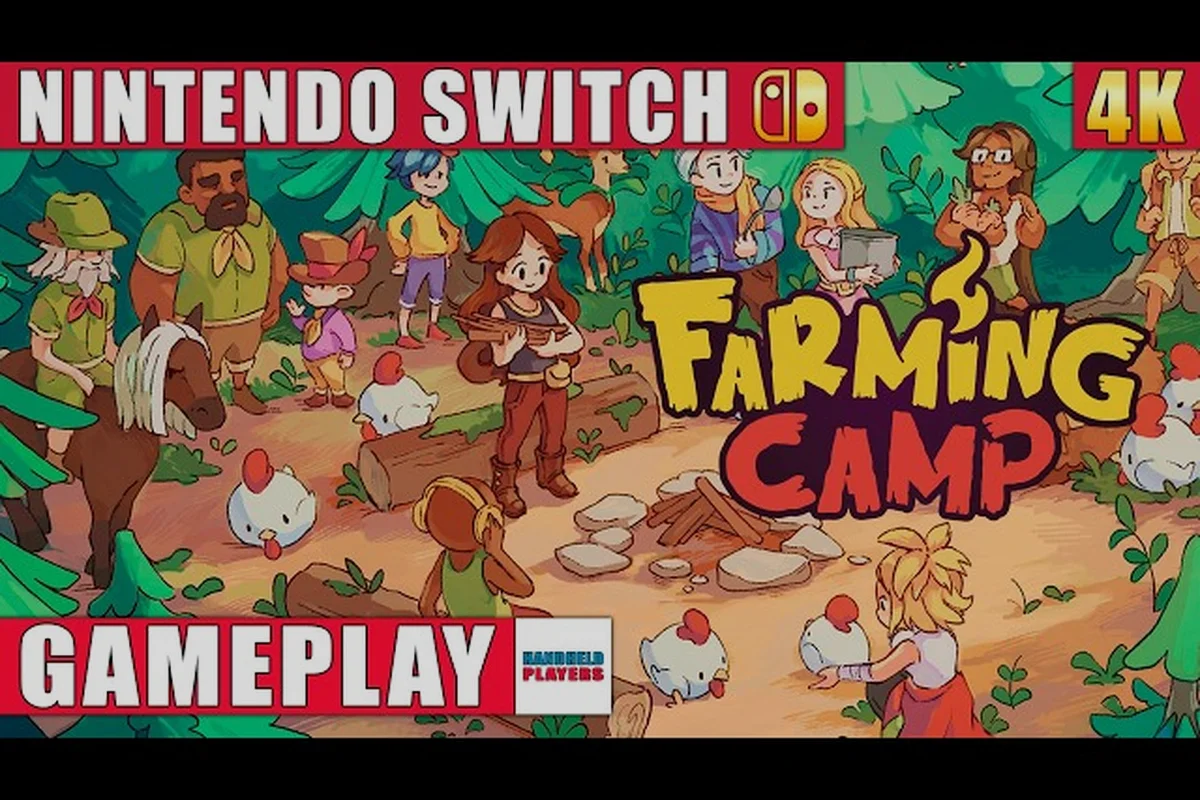
Farming Camp Fastest Crops: Most Profitable Seeds to Plant
Find the Farming Camp fastest crops to plant — top seeds for quick harvests, where to buy them, and the most profitable picks for early cash.
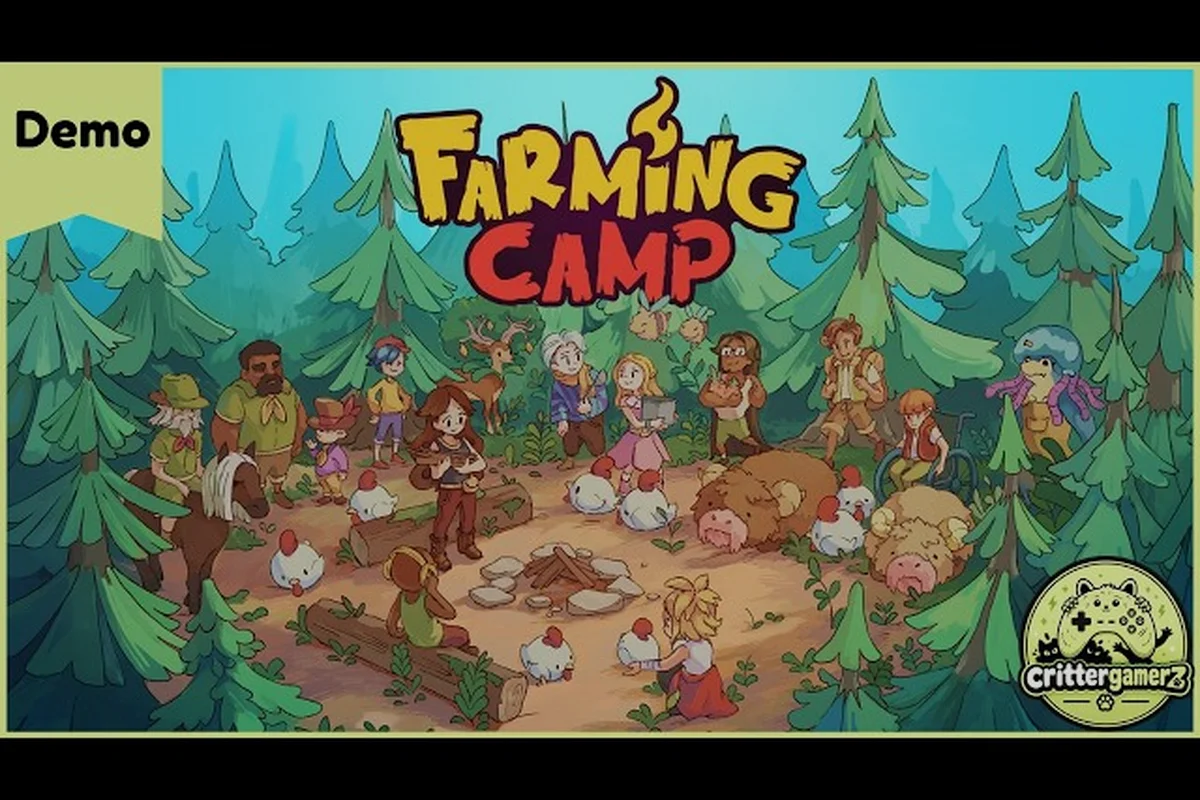
Farming Camp Harvest Schedule: Growth Times & Peak Prices
Plan your Farming Camp harvest schedule with growth times, regrow rules, and day-by-day timing so every crop you plant sells at peak price.
All Articles
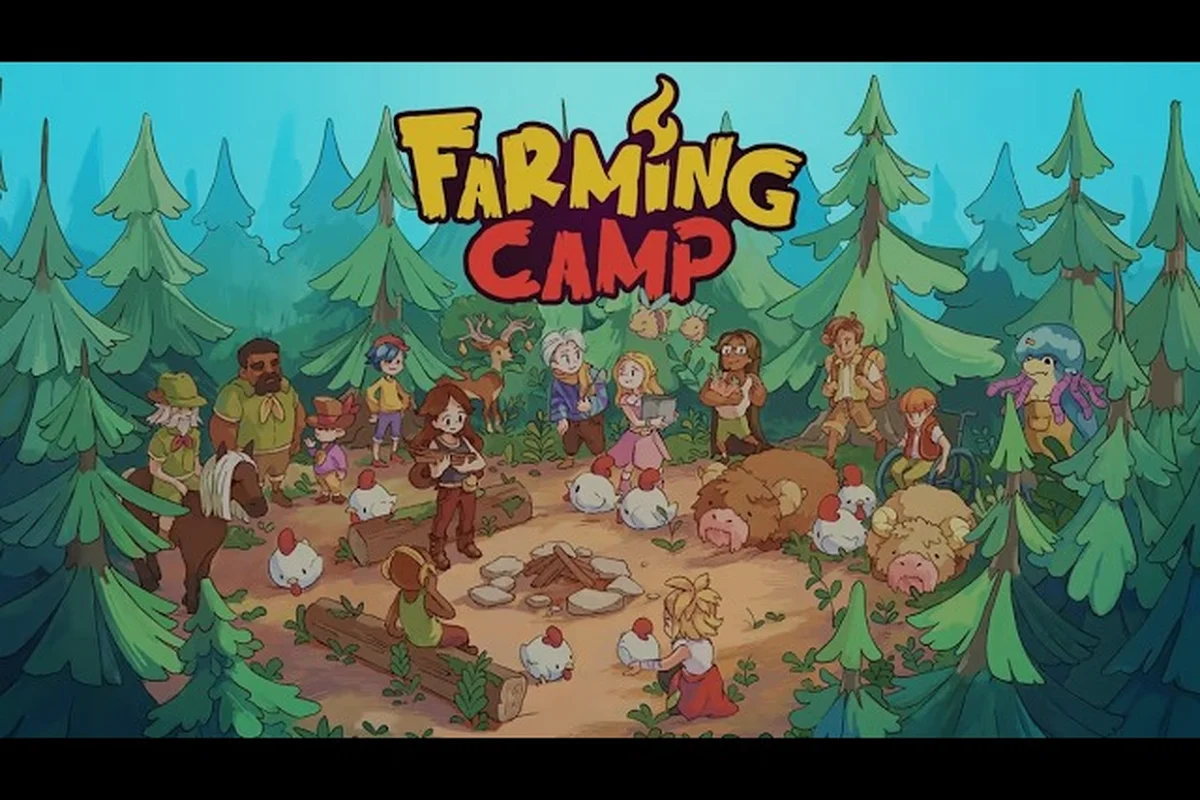
Farming Camp Soil Guide: Watering, Rotation & Rare Crops
Master the Farming Camp soil guide — watering schedules, crop rotation tips, and how to unlock rare seasonal crops that boost your harvest.
Farming Camp Crop Calendar: Seed Locations & Best Farm Crops
Build your Farming Camp crop calendar around seed locations, seasonal checklists, and the best farm crops to plant for steady harvest income.

Farming Camp Garden Plots: Layouts, Upgrades & Planting Order
Design smarter Farming Camp garden plots with the best layouts, watering can upgrade paths, and a planting order that avoids rookie mistakes.
Farming Camp Farming Tips: Crop Priorities, Unlocks & Smart Play
Level up your Farming Camp farming tips with the best early-game crops, late-game unlocks, and priority picks that keep your fields profitable all summer.